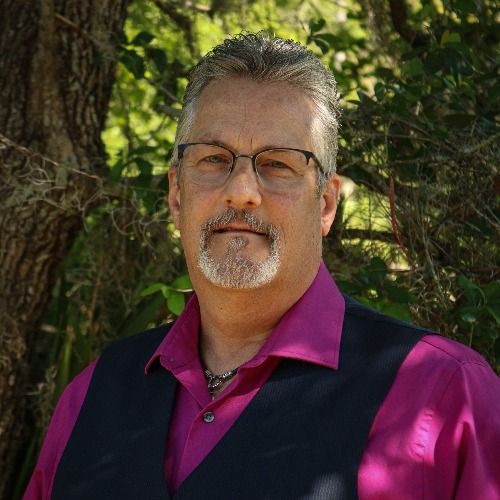
Finding My Fire: A Warrior's Path to Self-Discovery
This episode dives deep into the journey of Ana Catalina Colon, a remarkable individual who embodies the true essence of a warrior spirit. From overcoming personal struggles to embracing her identity after significant life changes, Ana shares her story with authenticity and heart.
We explore themes of resilience, faith, and the importance of self-care, highlighting how Ana navigated the challenges of motherhood, career transitions, and emotional wellness. She emphasizes the necessity of community support and the role of faith in helping her rise above adversity.
By the end of our conversation, listeners will be inspired to reflect on their own journeys and find strength in their struggles, reminding us that it's not just about the fight; it's about how we rise from it.
Takeaways:
- The journey to self-discovery often involves hardships, but embracing challenges helps us grow stronger.
- Community support and faith can provide essential strength during tough times in life.
- Finding balance between personal health & responsibilities is crucial for a fulfilling life.
- Our cultural backgrounds shape us, but we have the power to redefine our paths and legacies.
You can connect with Ana on her social media platforms:
FB: www.facebook.com/ana.c.colon
LinkedIn: linkedin.com/in/ana-catalina-colon-b9b6b88
Instagram: @ ana_catalina_colon
The music in this video is copyrighted and used with permission from Raquel & The Joshua 1:8 project © 2025 All Rights Reserved. All rights to the music are owned by Raquel & The Joshua 1:8 project © 2025 All Rights Reserved. You can contact Raquel at https://YourGPSForSuccess.Net
Transcript
I've walked through fire with shadows on my heels Scars turn to stories that taught me to feel lost in the silence Found in the flame now wear my battle cry without shame.
Speaker A:This, this isn't the end it's where I begin A soul that remembers the fire within.
Speaker B:Welcome back to another episode of A Warrior Spirit, brought to you by Praxis33.
Speaker B:I'm your host, Darrel Snow.
Speaker B:Let's dive in.
Speaker B:Thanks for joining me again today.
Speaker B:And for those of you that have been following the show, know that I've been doing this for three years now.
Speaker B:And as we come into the reflection of three years, I've had the honor and privilege of interviewing some really tremendous people.
Speaker B:And today it's taken me the entire three years to get my guest on.
Speaker B:But my friend, Anna Catalina Colon, she's been someone that I've really been excited to bring on because she truly, to me, embodies what the show is about, and that's having a warrior spirit and standing tall in spite of everything.
Speaker B:So, Anna, I appreciate you joining me today, and thank you for finally arriving.
Speaker A:Thank you.
Speaker A:I'm happy to be here.
Speaker B:Thank you for the.
Speaker A:On three years, 154 episodes.
Speaker A:That's exciting.
Speaker B:Yes, thank you.
Speaker B:I appreciate it.
Speaker B:Yeah.
Speaker B:For someone who never even wanted to be a podcaster, that's pretty amazing.
Speaker B:And, you know, now we're on Roku and Apple and Spotify and getting to see you everywhere.
Speaker B:So I appreciate you joining me.
Speaker B:And like I said, you're one of those people that I've really wanted to talk to because as someone who's been my friend for eight years, I've seen you go through part of your journey.
Speaker B:I haven't been privy to all of your journey because we haven't sat and had coffee often.
Speaker B:But from what you've shared and what you posted, you just embody what I think the warrior spirit is.
Speaker B:And that's someone who, in spite of her struggles, still stands tall.
Speaker B:And every time I see you, you still wear that beautiful smile and have that glimmer in your eyes.
Speaker B:So we were talking off camera.
Speaker B:You grew up, actually, in Mexico.
Speaker A:I did.
Speaker A:My mother moved to Mexico.
Speaker A:Actually, she did an exchange program when she was 18 in Mexico City and met my dad.
Speaker A:And two months, a month and a half later, he proposed.
Speaker A:And she went back to Wisconsin and told her parents, I'm getting married and I'm moving to Mexico.
Speaker A:So that was a big shock for my American side of the family that my mom would move all the way from Wisconsin down to Mexico City.
Speaker A:To get married?
Speaker B:Yeah.
Speaker B:I grew up in Iowa, so knowing the Midwest and the way that region thinks, that had to be like, what are you talking about?
Speaker B:Yes.
Speaker A:I think they thought what happened in those 12 months in Mexico that you're changing your entire life.
Speaker A:But that's kind of how her story went.
Speaker A:And so my mom and dad got married, and my mom had my oldest sister, my middle sister, and me.
Speaker A:I was born in Chiapas, Mexico, and When I was 11, my mom and dad got a divorce and my mom decided to come back up to the U.S. by that point, my grandparents have moved from Wisconsin to El Paso, Texas, because that was a closer city for.
Speaker A:For her to be able to see her, but still in the US so we moved to El Paso when I was 11 and had to kind of start all over.
Speaker A:Life was so different in Mexico than it was moving to the U.S. first of all, where I grew up in Chiapas, it's a jungle.
Speaker A:Like, it's very tropical, very green trees, giant green trees everywhere.
Speaker A:And, you know, I could be at a friend's house and there could be an iguana just kind of walking in her backyard wall or something.
Speaker A:And it wasn't unusual.
Speaker A:And I grew up having all kinds of cool pets.
Speaker A:I had a parrot, macaw, I think at one point it flew away, I think.
Speaker A:And then we had these giant birds with polka dots everywhere and that those flew away.
Speaker A:A couple times.
Speaker A:I had a pet deer, a fox, a ton of.
Speaker A:A ton of different dogs, bunnies, you name it.
Speaker A:I think if we told my dad that we wanted it, we had it, and it wasn't.
Speaker B:It was definitely not going to happen on El Paso.
Speaker B:I've.
Speaker B:I've lived in Texas, and El Paso is not the same.
Speaker B:It's like, from night to day.
Speaker A:Yes.
Speaker A:I remember we used to have a huge yard in Mexico, and again, lots of trees.
Speaker A:And when we moved to the U.S. first of all, it was a sad situation because my parents had split up.
Speaker A:And in Mexico we had a big yard and.
Speaker A:The luxury of having people help, you know, clean and cook and.
Speaker A:And do things for us, because that was a little bit more common, I guess, where we lived.
Speaker A:And it was funny.
Speaker A:I remember my mom, the first time that she taught us how to, like, clean the bathroom, and I was so excited to see the bubbles when I was, like, scrubbing the toilet.
Speaker A:I'm like, oh, look, that's kind of fun.
Speaker A:I was 11, so I got a kick out of that.
Speaker A:But I had never had to do, you know, chores or whatever.
Speaker A:And to me, it was.
Speaker A:That phase of the transition wasn't difficult.
Speaker A:But to my sister, I think that was because, you know, life was hard.
Speaker A:We moved here with just a couple boxes and our suitcases.
Speaker A:Like, we didn't bring anything with us from Mexico.
Speaker A:And, you know, a few months we were sleeping on the floor and we didn't have furniture.
Speaker A:You know, it was like, okay, we're in the US and at least we have a roof over our heads.
Speaker A:So.
Speaker A:That was a new experience.
Speaker A:And then I was the weird girl that was in esl.
Speaker A:I don't know if you've heard of esl.
Speaker B:Oh, yeah.
Speaker A:So it's the English as a Second Language.
Speaker B:Yeah.
Speaker A:And they just see this little white girl walk in, and they're like, why are you in this class?
Speaker A:You know?
Speaker A:And I could speak English because I grew up, obviously, with my mom speaking English, but I never studied in English.
Speaker A:I always did school in Spanish.
Speaker A:So a lot of words and writing were completely foreign to me.
Speaker A:Not foreign, but it was just difficult.
Speaker A:I got to pronounce things in Spanish instead of English.
Speaker A:Or if I was trying to find a word that exists in Spanish, but it wasn't in my English library, I'd be like, oh, what is this?
Speaker A:How do I say this in English?
Speaker A:You know?
Speaker A:And I think I shocked quite a few people because they.
Speaker A:I didn't fit the mold of what they considered a Mexican.
Speaker A:But in.
Speaker A:In all reality, I was more Mexican than everybody at my school.
Speaker A:You know, even most of the ESL kids.
Speaker A:I was like, why are you here?
Speaker A:You're not Mexican.
Speaker B:So did you get bullied a lot?
Speaker A:I did.
Speaker A:I did.
Speaker A:Actually.
Speaker A:I think it was eighth grade.
Speaker A:There was a girl that really just did not like me, and I really don't know why.
Speaker A:Maybe I was a little Miss Goody Two Shoes, because I went to private Catholic school in Mexico, and there you have to sit a certain way, and you just don't say anything in class.
Speaker A:And.
Speaker A:I moved to a public school where people are very wild.
Speaker A:Like, I remember just thinking, what is happening in this classroom?
Speaker A:Like, people are talking and they're not sitting in their chairs, and they sit like, however they want.
Speaker A:And so I was the weird girl that had more.
Speaker A:Like, I just remember I had to sit like this all the.
Speaker A:All the time.
Speaker A:And that was just how I was comfortable.
Speaker A:That was just how I was used to having to sit.
Speaker A:Just weird stuff.
Speaker A:But I got bullied.
Speaker A:I got shoved into lockers and started, like.
Speaker A:Somebody started hitting me and one of my best friends.
Speaker A:That's literally, like, this tall compared to me, came to my rescue and started pulling them away and telling, get away from her.
Speaker A:And I remember thinking, wow, at the time, she wasn't my best friend.
Speaker A:It was just somebody that went to school with me.
Speaker A:But after that, she's been my lifelong best friend because she stood up for me at a time that I really didn't even know how to react.
Speaker A:Like, I had never seen anything like that.
Speaker A:Nobody that I would have known in my entire life growing up would have ever behaved that way.
Speaker A:It was just not normal for girls to fight or bully like that, because I think we knew we would get in deep trouble, you know, and it just wasn't part of our culture.
Speaker A:The.
Speaker A:The culture in Chiapas is so sweet.
Speaker A:Like, people are just the nicest people.
Speaker A:They'll give you the shirt off their back if.
Speaker A:If they see you're in need, you know, And.
Speaker A:And I. I love that about my.
Speaker A:My Mexican culture and heritage is that I grew up with a humble.
Speaker A:Soul, a giving soul, one that helps others and.
Speaker A:And is very kind.
Speaker A:So that, I feel, is something I always want to cherish and hold on to, even if things are hard.
Speaker A:Just to remember that as long as that part of me is still there and the world doesn't make me hard, I think that that is a win, and that's part of being a warrior, I think.
Speaker A:So.
Speaker B:So how.
Speaker B:How long did it take you to assimilate to the new culture?
Speaker B:Because teenage years, from 11 till probably 18, is tough enough for females, and the relationship with their parents or their mom changes drastically during that time.
Speaker B:And so getting thrust into this new environment, getting bullied, finding, like, total.
Speaker B:Difference from where, you know, from kind and sweet to bullied and shoved into lockers, to coming from a place where you have freedom to roam and all the pets to El Paso.
Speaker B:Anyone who knows Texas, all you have to do is say El Paso.
Speaker B:And almost everyone, yeah.
Speaker A:It'S desert.
Speaker A:It's all, you know, everybody knows everybody.
Speaker B:But who helped you navigate that?
Speaker B:Who helped you navigate that hard transition?
Speaker A:So I think what was really cool is I went from a middle school where everybody knew each other, and I got there in, you know, seventh grade, and because they had all grown up since, like, kindergarten or something, and I was the new girl.
Speaker A:That was weird, I guess.
Speaker A:So then when I went to high school, there was new kids from everywhere, you know, and so I really think that high school was where I was starting to realize, like, I think I'll be okay.
Speaker A:And it was pretty neat because I actually, in Mexico, pe Was never a thing.
Speaker A:Like, I went to all girl private Catholic school with nuns.
Speaker A:PE Was playtime.
Speaker A:It was like fresh air, you know, like, they didn't make you run or do anything.
Speaker A:Like, if you wanted to run, you could run, but it was just fresh air time.
Speaker A:And I remember moving to the US and they're like, you gotta run a mile in like five minutes.
Speaker A:And I was like, what's that?
Speaker A:And I had no idea.
Speaker A:And so we were in PE and.
Speaker A:And the coach said, run around the school.
Speaker A:Be back.
Speaker A:And by the time I got back, the coach was like, where were you?
Speaker A:I'm like, well, you said I had to go around the school.
Speaker A:And he's like, like a half hour ago, you know?
Speaker A:And I was like, I didn't know how long it would take me, you know, so little things like that.
Speaker A:But the one thing I did grow up doing was playing racquetball.
Speaker A:That was kind of a sport that we did as a family.
Speaker A:And so when I got to high school, I had to take pe.
Speaker A:It's, like, not optional.
Speaker A:So when I did pe they go like a rotation of.
Speaker A:Of whether you.
Speaker A:I don't know, they show you all the sports.
Speaker A:Like racquetball.
Speaker A:Not racquetball.
Speaker A:It's soccer and basketball, volleyball and tennis.
Speaker A:On the period that I did tennis, I was like, oh, I could do this.
Speaker A:I could.
Speaker A:I could hit the ball with a racket.
Speaker A:And the coach was like, why aren't you on the team?
Speaker A:And I thought, well, I don't play.
Speaker A:You know, I don't.
Speaker A:I don't do sports.
Speaker A:And he was like, no, I want you on the team.
Speaker A:And so I think I went from being in PE to being officially on the team, which was hilarious because I didn't work out.
Speaker A:You know, I just like to hit the ball.
Speaker A:But I didn't like running and conditioning.
Speaker A:That was not fun.
Speaker A:But, you know, four years of doing that, you do eventually kind of hit a stride and.
Speaker A:And really learn to enjoy it.
Speaker A:And.
Speaker A:I don't remember the point of what we were talking about, but, yeah, so high school.
Speaker A:Yeah, that's what I was gonna say.
Speaker A:So I. I went from being like, the odd got girl in middle school that had just moved to us to move to high school where I found my group.
Speaker A:You know, I was part of the nerds.
Speaker A:I always got straight A's.
Speaker A:I graduated with, like, a 98.9 GPA.
Speaker A:I was 11th in my class.
Speaker A:I was so mad I didn't make it to the top 10.
Speaker A:And.
Speaker A:Got a scholarship for college for you know, being involved in a lot of different activities and volunteer sharing a lot.
Speaker A:And I did start working at a young age as well.
Speaker A:And so I lived in El Paso until I was 17.
Speaker A:And I think that was where I would say I really found a lot of freedom and learned that, wow, like anything I dream I could actually make it happen.
Speaker A:You know, I think that's one difference of the US versus Mexico.
Speaker A:Is it?
Speaker A:Mexico has a beautiful culture, very warm and welcoming, but also as a woman in Mexico, you're, you're limited to what you think you are able to do.
Speaker A:I think culturally, like, you're kind of conditioned to like even just the way you behave in school.
Speaker A:Very like, okay, I'm, I'm, I am.
Speaker A:Girls are to be seen, not heard sort of thing, keep your mouth shut, behave a certain way, be a lady, and all those things are great.
Speaker A:But as long as you still know that you have freedom and strength and opportunity to really reach whatever goals you want to reach versus your goal is to grow up and get married and have kids.
Speaker A:And I actually, now that I am a mom, I do think that that's a beautiful goal to have.
Speaker A:Probably the most important role you'll ever have is to become a parent.
Speaker A:So I get it.
Speaker A:But I think that just, I'm very blessed to see both, like perspectives in internally and having grown up with like, both.
Speaker A:And I've.
Speaker A:I've chosen to pick the good out of both, to mold my life around the good out of both, you know, I think.
Speaker B:So where did you go to college?
Speaker B:Where was.
Speaker A:So I went to college in Austin, Texas.
Speaker A:I went to.
Speaker A:Yeah.
Speaker B:You stayed in Texas?
Speaker A:I did, yes.
Speaker A:And those four years were amazing too.
Speaker A:I was able to get a double major with business administration and marketing and was super involved in college.
Speaker A:Graduated with a presidential award and summa cum laude.
Speaker A:So I, I really loved school.
Speaker A:I just loved school.
Speaker A:I've always loved learning and excelling at learning things.
Speaker A:And I think part of being that warrior, I think, or having that warrior spirit is just always having that self drive.
Speaker A:No one is telling me you need to do this.
Speaker A:It's really coming from within.
Speaker A:I'm always just excited to, to try something or learn or be involved and give back and talk to people and, you know, be part of the community.
Speaker A:That's just how I'm wired, so.
Speaker A:And then even if things are hard, I think part of being a warrior is persevering through it and, and just seeing it as a challenge, not as a.
Speaker A:Not as something that is impossible.
Speaker A:You know, there's going to be stumbling blocks along the way.
Speaker A:People that don't believe that, you know, what you want to do is reasonable.
Speaker A:I remember when I said I wanted to go away for college.
Speaker A:My family was against it.
Speaker A:They're like, why don't you go to utep?
Speaker A:It's right here.
Speaker A:Then you, you just live here and you go to utep.
Speaker A:And I was like, no, I don't want to go to utip.
Speaker A:Nothing.
Speaker A:That wasn't what I wanted.
Speaker B:Yeah, I would have, I would have told my mom, remember, you moved from Wisconsin to Mexico.
Speaker B:Like, Austin isn't that big of a stretch.
Speaker A:Exactly.
Speaker A:I, I told, I told my mom that I'm like, okay, when you're my age, you're getting married, you know, after one month of being away from home, you know, but I think they had that fear.
Speaker A:You know, my grandparents were like, oh, what's going to happen?
Speaker A:Yeah, but I, I think again, it's just not in my, my way of being to go and not try to succeed or.
Speaker B:But something along the way, I know from, from part of your journey because you, you had this beautiful life in Mexico.
Speaker B:You came and struggled a little bit in the US and then found your groove and found your footing and excelled again.
Speaker B:But you just recently posted a picture of what you called your sad 30s.
Speaker B:So you were 60 plus pounds heavier.
Speaker B:You were going through traumatic experience, how you felt, you know, postpartum with your, with your daughter.
Speaker B:So what led you from.
Speaker B:Yes, that arc into that.
Speaker A:Yeah, so we, yeah, this is what the conversation we were having before the podcast.
Speaker A:So, yeah, I graduated college, I got a job working for Coors in their sales team.
Speaker A:Had a lot of fun.
Speaker A:I think what happened is that I really kind of lost track of me.
Speaker A:I became so driven in goals that I forgot that I needed to go back to the basics and take care of me.
Speaker A:And by the time I was 26, I had lived in Chiapas, I had lived in El Paso, I had lived in Austin, I had lived in Baltimore, Maryland, for a job.
Speaker A:I had lived in Colorado, Houston, back in Colorado and Arizona.
Speaker A:So I had moved six times by the time I was 26.
Speaker A:And out of those six times, four different moves were after college.
Speaker A:And every time I moved, it was for my work.
Speaker A:Which is great.
Speaker A:It was for a new promotion or a new opportunity.
Speaker A:But I did start feeling very lonely and like, all I ever did was work.
Speaker A:I didn't really prioritize my health.
Speaker A:I didn't prioritize working out.
Speaker A:I remember just feeling tired all the time and not Knowing people, like having to start over every time, you know, moving to a city where you don't know anybody.
Speaker A:And the older you get, the harder it is to make those friendships, you know.
Speaker A:And how do you meet people?
Speaker A:I think at the time, Facebook groups and all that stuff didn't exist, you know, so it was like, okay.
Speaker A:And I'd go outside in Queen Creek, Arizona, and everybody's families.
Speaker A:Most a different religion because there's a lot of Mormons that lived there at the time.
Speaker A:And.
Speaker A:And so there was no way for me to like, meet people, which is how I ended up meeting my.
Speaker A:My.
Speaker A:The person.
Speaker A:My ex husband.
Speaker A:We were actually introduced by a mutual friend through a blind date.
Speaker A:And it was a breath of fresh air to.
Speaker A:To have a friend meet somebody that lived nearby and have that companionship.
Speaker A:And we dated and.
Speaker A:You know, became boyfriend, girlfriend, got engaged after a year and then had a year long engagement.
Speaker A:And then afterwards, after we were married, we were trying to conceive and had a lot of trouble trying to have a baby.
Speaker A:That was a challenge, you know, I was like, why isn't this happening?
Speaker A:You know, at this time?
Speaker A:I was 29.
Speaker A:We were trying to have a baby, and it wasn't happening.
Speaker A:Like, I think two years went by.
Speaker A:Well, two years from when we got married.
Speaker A:Finally I got.
Speaker A:Pregnant, which was honestly a huge turning point in my life.
Speaker A:I think I was always scared to have a baby.
Speaker A:You spend so much of your life trying not to have babies.
Speaker A:Then when you have the freedom to have one, you're like, oh, my God, can I even do this?
Speaker A:Had a difficult pregnancy.
Speaker A:I had low amniotic fluid, so I had to go in very often to get.
Speaker A:Medical, like to get ultrasounds and make sure that she was okay, because babies need a certain amount of amniotic fluid to survive.
Speaker A:And.
Speaker A:Anyway, but nine months later, actually eight months later, she came a little early, Lily came, and I couldn't believe the miracle of life.
Speaker A:What.
Speaker A:What a gift that was.
Speaker A:And I would say, I've always said that, yes, I'm Christian.
Speaker A:At the time, I was Catholic.
Speaker A:I think growing up, I was always Catholic.
Speaker A:And I've always thought, you know, God is real, God exists.
Speaker A:But the moment that I was pregnant was the moment that I was like, whoa, like, God is real.
Speaker A:Because this is not me doing anything.
Speaker A:I'm not doing anything.
Speaker A:And there's something growing inside of me, you know, And I think that is the first realization that so much of our lives is.
Speaker A:Is controlled by a higher power in God, because the beauty of life is the beauty of you.
Speaker A:Just live your life and something beautiful grows from you.
Speaker A:And all that beauty that grows from you is truly a gift from God.
Speaker A:Whether it be a baby in your belly or the love you share from others, just living your life and appreciating the fact that you wake up and get to breathe is huge, you know?
Speaker B:So let me ask you, Anna, how did you.
Speaker B:How did you go from this miraculous beauty that you wanted to do to having the postpartum syndromes of.
Speaker A:It is so crazy because it hits you and you don't even know because again, like, I was in la la land.
Speaker A:I was so happy.
Speaker A:But what happened is, at the time, and now things have changed as well.
Speaker A:I got four weeks off after having a baby for parental leave or maternity leave.
Speaker A:Which is nothing, you know, like, here I am with this little tiny baby, and I got four weeks off.
Speaker A:And then I think we.
Speaker A:We took two weeks vacation and two weeks without pay, you know, And.
Speaker A:And after eight weeks, I had to go back to work and my daughter had to go to daycare, and that was hard.
Speaker A:And I was nursing too, so it was like trying to navigate motherhood and work and.
Speaker A:And then I had a job that required me to travel.
Speaker A:So I think again, I let.
Speaker A:Work become something that pulled me away from something I really loved.
Speaker A:And not that I didn't love my work, I did love my work.
Speaker A:But I was conflicted because up until then, really the only thing I had to focus on was myself and work.
Speaker A:Then I get married, and then I'm like, okay, I have to manage myself, my husband, and work.
Speaker A:And then all of a sudden, you stop prioritizing yourself.
Speaker A:You're like, work needs me.
Speaker A:Work is asking for this, work is asking for that.
Speaker A:My husband needs me.
Speaker A:He needs this, he's asking for that.
Speaker A:And so you start losing balance, and you start really putting everything else as more important than yourself.
Speaker A:Then throw in a baby and nursing and work and marriage and chores and laundry and washing dishes.
Speaker A:I just lost myself.
Speaker A:And I could see that this happens to a lot of people, you know, a lot of women.
Speaker A:Also, I think one of the things about nursing is that you're producing hormones that help your body.
Speaker A:Feel better.
Speaker A:You know, like they say, there's.
Speaker A:I don't remember.
Speaker A:I don't know if it's prolactin or whatever, but it's like a feel good hormone.
Speaker A:And that bond you have with your baby is amazing.
Speaker A:But, you know, about 10 months in, it was like, okay, I've got to start weaning, because traveling and doing that was not easy.
Speaker A:Like, I'd have to pack my pump and my ice chest.
Speaker A:And I remember being at the airport and people would be like, what, what is this?
Speaker A:And I'm like, oh, it's breast milk.
Speaker A:And they're like, oh, liquid gold.
Speaker A:Okay, be very careful.
Speaker A:You know, they treated it like gold.
Speaker A:You know, they're like, okay, you know, because it's not easy, you know.
Speaker A:But as soon as that process ended, it was like my hormones just went boof, you know, and the sleep schedule was off.
Speaker A:My.
Speaker A:My daughter was a night baby.
Speaker A:Like, she was awake all night.
Speaker A:And we ended up finding out it was because when she'd go to daycare, they just let her sleep all day.
Speaker A:So then she'd come home and she wanted to play all night and I was not getting sleep.
Speaker A:I'd have to take her to daycare, go to work all day, come back.
Speaker A:And my ex husband worked a lot more than I did.
Speaker A:So I just remember my 30s being very lonely, very lonely if it wasn't for my daughter, you know, like, but.
Speaker A:But I loved her, but it was another, like a lot of responsibility.
Speaker A:And.
Speaker A:And I just didn't feel the support.
Speaker A:My family all lived in El Paso.
Speaker A:I didn't have any family in Arizona.
Speaker A:So I just once again, just stopped taking care of myself.
Speaker A:And I think at that time, you really need a partner that takes care of you that's gonna say, you know what, Take the day off to take care of yourself.
Speaker A:Get some rest.
Speaker A:I'll watch her.
Speaker A:It wasn't like that in my situation.
Speaker A:I don't want to say anything about my ex.
Speaker A:Other than by the time my daughter was five, our marriage had just hit a point where.
Speaker A:It just wasn't gonna work.
Speaker A:You know, we had a lot of struggles in our marriage, a lot of both.
Speaker A:He went through a lot of things personally in his past and during the time that we were married.
Speaker A:And a lot of things happened in my side of the family during the time that we were married to.
Speaker A:I lost my grandfather.
Speaker A:And that hit me really hard.
Speaker A:I found out my dad was very sick and needed to be put into a care home care facility.
Speaker A:And we had to figure out the finances for that to be able to help my dad.
Speaker A:There was just a lot of hard things on top of being a parent and raising a toddler.
Speaker A:And those toddler years are beautiful.
Speaker A:I mean, she was just the cutest kid.
Speaker A:But it is a lot of work.
Speaker A:Feeding them, bathing them.
Speaker A:I mean, I remember my back just hurting so bad from bending over to give Her a bath, you know, and then picking her up.
Speaker A:And I did all of that myself.
Speaker A:Like, I did not get a lot of help with.
Speaker A:With the child care part.
Speaker A:And I think, again, that's that cultural thing of me that, no, I'm the mom.
Speaker A:It's my job.
Speaker A:No, I'm the mom.
Speaker A:It's my job, you know, and so I think I never asked for help because I didn't expect it, you know.
Speaker B:Because of that cultural thing.
Speaker B:You also put on a lot of expectations on yourself that help devalue your emotional regulation, because now you're.
Speaker B:Now.
Speaker B:Now you're torn between work and husband and child and guilt that you're not able to be enough for everybody and do everything.
Speaker B:Imagine the families that do this with two, three, four children.
Speaker B:Like, it's crazy.
Speaker A:Yeah.
Speaker B:So you.
Speaker B:You gained all this weight.
Speaker B:You kind of went into a depressive state.
Speaker B:Your marriage fell apart.
Speaker B:You're still trying to survive with your job.
Speaker B:When was that moment where you said, enough is enough, this is enough bullshit.
Speaker B:I'm taking back control?
Speaker A:Yes.
Speaker A:So I would say a huge miracle happened.
Speaker A:You know, how the housing market crashed in Arizona, and all the houses were worth, like, half of what you financed.
Speaker A:A lot of people walked away from their mortgages, did foreclosures and stuff.
Speaker A:For me, I was kind of lucky because when I moved from Colorado to Arizona, I was able to put money into the house in Queen Creek to where even though I was upside down, my mortgage itself wasn't off by that much.
Speaker A:And so my husband and I made the decision to sell the house in Queen Creek and moved to Chandler.
Speaker A:And because the market was low, there was no way I could have moved to Chandler six years before, you know, because the market was so expensive.
Speaker A:But at that time, it was like, you know what?
Speaker A:Our.
Speaker A:Our mortgage is going to be the same, and we get double the space and a yard and all of this.
Speaker A:So let's do it, you know, so we were one of the smart people that bought when the market was low, you know, and that helped me a lot because I.
Speaker A:At the time, even though I lived in Queen Creek, my job was in Tolleston, Arizona.
Speaker A:So my commute was an hour each way.
Speaker A:So moving to Chandler helped a lot.
Speaker A:And my job actually changed, too.
Speaker A:I don't remember.
Speaker A:Yes.
Speaker A:The year that Lily was born.
Speaker B:I.
Speaker A:Think it was, I moved from Coors to the company I work for now.
Speaker A:At the time, it was called Beam Global Spirits, I think.
Speaker A:So I work for Jim Beeman, Maker's Mark.
Speaker A:You can see my maker's Mark sign right there.
Speaker A:Yeah, I. I moved to a different company.
Speaker A:Oh.
Speaker A:And then I think you could see my bottles of Maker's Mark over there too.
Speaker A:Here, I'll move this.
Speaker B:Oh, yeah, there we go.
Speaker A:This is my office, by the way.
Speaker B:There we go.
Speaker B:That's very comfortable.
Speaker B:Yeah, I like that.
Speaker A:Yeah, I like.
Speaker A:Yeah, it's nice.
Speaker A:I like, like working here.
Speaker A:So, okay, where was I?
Speaker A:Oh, so we moved to Chandler and my daughter was just old enough to start doing activities, you know, so she actually started swim at 8 months old.
Speaker A:We put her in swim class.
Speaker A:So I got to meet other moms with little bitty babies and make friends again.
Speaker A:Like, outside of just me, Lily and my husband.
Speaker A:You know, it was like, hey, here's another mom with her little baby.
Speaker A:We're going to the pool.
Speaker A:We'd go to the pool and our babies would do the swim class.
Speaker A:And then afterwards we could put them in the daycare part and then we'd go sit in the Jacuzzi for a little bit.
Speaker A:But it's those little move moments, like taking an extra 30 minutes after the swim class to just relax, hang out with another mom in the hot tub and talk that really makes your mental health, like, better, you know?
Speaker A:But again, at that time, I was still married.
Speaker A:Things were still hard.
Speaker A:But I was starting to expand my network again and make friends again and just kind of feel like myself.
Speaker A:Like my.
Speaker A:My own identity outside of work, outside of being a wife and outside of being a mom.
Speaker A:Like me.
Speaker A:Like someone likes me just for being me, you know?
Speaker A:Because you lose that if you don't make time to remember that, you know, or to just take care of you.
Speaker B:Yeah.
Speaker B:Self care is not selfish.
Speaker B:Self care is vital to thriving in any kind of life.
Speaker B:Especially if you're a giver and especially if you're someone who, I mean, your culture and your.
Speaker B:And your background and where you grew up by nature, enabled you to be that.
Speaker B:That giving, but almost to a detriment to where you give beyond your own capacity.
Speaker B:And so you have to replenish that and regain that.
Speaker B:So how did you go from 60 pounds overweight and depressed?
Speaker B:What did you start doing to regain your health?
Speaker B:To come back into who you are again and who you were supposed to be again?
Speaker B:How did you manage that transformation?
Speaker A:So it all starts again with your mind.
Speaker A:You have to set your mind to it.
Speaker A:And your mind has to be at a good place.
Speaker A:To go through those hard things and to say, you know what?
Speaker A:This is it.
Speaker A:And I'm making a change.
Speaker A:So when I Moved to Chandler.
Speaker A:My house is like, I don't know, maybe less than a mile from Cornerstone, which is where I've been going to church now since.
Speaker A:2013.
Speaker A: I think: Speaker A:And that was again, another big part of my mental health healing and building a community that was supportive and loving and that gave me a place to find myself again, I think.
Speaker A:And first of all, really lean on God.
Speaker A:You know.
Speaker A:When I would go to Bible study during the week, they had a program for little kids that they could go and so you could go to Bible study and the little kids could kickoto play.
Speaker A:And I was like, oh, time, you know, and.
Speaker A:And it was me time for growth.
Speaker A:It was, she's being taken care of and I'm here and I'm growing spiritually, you know, and so that's kind of where the mind and the soul started to kind of come back together and start to heal.
Speaker A:And I started sharing a little bit of how I was feeling at home and how stressed I was and how I felt like, alone.
Speaker A:I had asked at the time, my ex husband to go to marriage counseling with me so that we could work things out.
Speaker A:And that wasn't his style.
Speaker A:You know, he's like, that's your thing.
Speaker A:Bible study is your thing.
Speaker A:If you want to go to therapy, that's your thing.
Speaker A:I don't need it.
Speaker A:And it was sad for, for me, but that he didn't want to go.
Speaker A:But I was like, well, at least I can go, you know.
Speaker A:So I started therapy and I went to church and I went to Bible study.
Speaker A:Even though I did it all alone, I didn't care.
Speaker A:I was doing it for, for me and I was being, becoming stronger.
Speaker A:And so a couple years after I started doing that on my own, I could just see the distance happening between my ex husband and I.
Speaker A:Like I was growing better, stronger, healthier, mentally, physically.
Speaker A:I was still overweight.
Speaker A:Energy wise, I was still exhausted.
Speaker A:Stress wise, I was still managing too much, you know, but I was working on the inner part.
Speaker A:I was working on, on feeling good about myself, that God loved me no matter what, you know, like what I look like or whatever, that how however imperfect you are, God loves you and God has a plan for you.
Speaker A:And God's working all things in your favor, you know, I remind myself that every day, no matter what, that God's working all things in my favor.
Speaker A:You know, even the hard things are working in my favor.
Speaker A:And when you start to believe that, it changes you, you know, and over time, enough things happen to where I felt empowered and.
Speaker A:My.
Speaker A:My marriage ended.
Speaker A:I'll put it nicely that it was a very difficult divorce.
Speaker A:Very difficult.
Speaker A:But after the divorce, it took like a year.
Speaker A:There was just a lot because we were together for nine years and then together overall 11 years.
Speaker A:It was honestly like a breath of fresh air for me.
Speaker A:It was like, wow.
Speaker A:And I got to keep the house, which was a huge blessing.
Speaker A:I will always forever be grateful to my ex husband for not really fighting on that, you know, because we bought it at such a good price that it was like, oh, if we have to sell it, we're just never gonna find a place like this, you know?
Speaker A:By then, the market had started going up, and it was like, oh, my God.
Speaker A:So I did have to pay his equity, but I got to keep my dream home, you know?
Speaker A:And of course, I bought it thinking it was going to be a family home and not a single parent home.
Speaker A:But again, it was a blessing that we made that decision.
Speaker A:But after my divorce, it was like, I didn't have to ask for permission to spend money on my health, you know, And I don't mean to be rude, but losing weight costs money.
Speaker A:Like, anyone that thinks you just lose weight, they're like, oh, I'm just gonna go on a diet and I'm gonna lose weight.
Speaker A:Good luck with that.
Speaker A:Good luck.
Speaker A:That's not how it works.
Speaker B:Yeah, it's cheaper to get heavy than it is to get fit.
Speaker A:And you have to learn how to cook.
Speaker A:Right.
Speaker A:For me, the biggest thing was I got health coaches.
Speaker A:I got on programs.
Speaker A:I tried probably even up until now, I probably tried, like, 10 different weight loss programs because some work for a little bit, and then you kind of get bored or it starts to, like, not fit with what you want to do, so you try something else.
Speaker A:But I have learned that I'm okay spending an X amount of budget on things that are geared towards keeping me physically healthy, you know?
Speaker B:And I hope in our society, though, when they poison our food and it makes it, you know, for.
Speaker B:For a $25, you can eat cheap crap, or for seven bucks, you can eat something healthier and better.
Speaker B:Like, it's.
Speaker B:You know, it.
Speaker B:It's.
Speaker B:I'm considerably older than you, and I look back at the 70s and 60s.
Speaker A:Yeah.
Speaker B:And you didn't see fat people.
Speaker B:And my family ate butter and potatoes and steak and meat and stuff fresh out of the garden and, you know, vegetables.
Speaker B:And they didn't have, like, if you were heavy, you were, like, abnormal.
Speaker B:Like, you were like.
Speaker B:You're like, oh, yeah, and now if you're thin, you're like, oh, my God, what are they.
Speaker B:They must be doing.
Speaker B:I can't even pronounce the medical term.
Speaker A:Yeah, I haven't done that.
Speaker B:You must be.
Speaker B:You must be on that drug to make you thin.
Speaker B:Like, no, I'm just staying fit and healthy.
Speaker B:Like, it's so disheartening what.
Speaker B:What it takes to.
Speaker B:To stay healthy in today's society.
Speaker B:It's.
Speaker B:It's maddening.
Speaker B:So.
Speaker B:As someone who moved past what you did, you embraced your 40s, you got healthy.
Speaker B:I've known you for eight years now, so just at the cusp of when you were starting to turn it around, but then you just celebrated your 45th birthday, and look at you doing this.
Speaker A:I know.
Speaker A:That was.
Speaker A:I'm fab over 40.
Speaker B:Explain what fab order.
Speaker B:And by.
Speaker B:By the way, I've seen a lot of the photos that you've posted, and they are wonderful.
Speaker B:So who's the photographer?
Speaker B:Because shout out to.
Speaker B:To them, who.
Speaker B:Who's the photographer?
Speaker A:So the photographer for that picture, his name is Tom Becker.
Speaker A:And actually, you could see it on the sidewalk right there.
Speaker A:Tom.
Speaker B:Yep.
Speaker A:He's incredible.
Speaker A:A lot of my really fun, kind of edgy photos came from Tom.
Speaker A:It's funny because I don't wear my glasses when I do photo shoots.
Speaker A:So he's like, turn your head.
Speaker A:Look at the camera.
Speaker A:And I'm like, I can't see you, but I'll try.
Speaker A:You know, like, trying to take pictures when you're blind is.
Speaker A:Is a little bit hard.
Speaker B:So what.
Speaker B:So what is fabulous over 40?
Speaker B:Because I know you were in a contest, and you were doing extremely well in it.
Speaker B:You got to the quarterfinals or the semifinals.
Speaker A:I did.
Speaker B:So explain what fabulous over 40 is.
Speaker A:Yeah, it is a competition for women over 40.
Speaker A:That you actually, you're competing, but you're competing for a good cause, if that makes sense.
Speaker A:Any funds that you raise through this competition go towards benefiting the National Breast Cancer foundation, so people can go and vote for you to win this contest for free every day.
Speaker A:And you get a free vote every day from anybody who goes and clicks on your link, and they can also donate to.
Speaker A:To you and how you're ranking in.
Speaker A:In this competition.
Speaker A:It's a national competition.
Speaker A:I think it started off with over 300,000 women, so it was a huge amount of people.
Speaker A:I was in first place through six rounds of the competition.
Speaker A:So I'm so grateful for everybody that was going online and voting for me every day, and I'm very grateful for all the money we raised for the National Breast Cancer foundation, it's really amazing to see that kind of support for a cause that's very important to a lot of women and to me.
Speaker A:And it was cool because there is a prize for winning the competition for the women who do it.
Speaker A:And I could see why they, they offer an incentive to continue to participate because it is not an easy task to try to raise funds for a charity.
Speaker A:It's really hard.
Speaker A:And so it's.
Speaker A:It's kind of smart of them to lean into beauty, I think.
Speaker A:But what I love about it is that the competition doesn't just.
Speaker A:It's not just a beauty contest.
Speaker A:It is.
Speaker A:A networking opportunity, an opportunity to bring awareness to breast cancer and an opportunity to raise funds for that.
Speaker A:And if you did win, which I unfortunately got eliminated in the quarterfinals, and frankly, it's a lot like kudos to all the ladies that are still in it because it means they're still fighting and still pushing for funds.
Speaker A:I just got to the point where I couldn't.
Speaker A:I didn't have the time to keep going and soliciting money and fundraising.
Speaker A:Which if I do it again next year, I know how I'm going to change things up a little bit because the quarterfinals are so aggressive that I think that I would change my strategy a little bit next year.
Speaker A:But anyway, I'm very proud of it and I think the ladies that do it should just give themselves a huge round of applause.
Speaker A:Applause and huge kudos because it's such a fun competition and it's.
Speaker A:It's women.
Speaker A:If every round you make, you get like freebies from New Beauty magazine.
Speaker A:So New Beauty Magazine partners with Fab over 40.
Speaker A:I'm sure they're big sponsors of the National Breast Cancer foundation as well.
Speaker A:So they partner with.
Speaker A:With Fab over 40 and the National Breast Cancer Foundation.
Speaker A:The winner would have.
Speaker A:Will get.
Speaker A:I won't be a winner this year, but maybe next year the.
Speaker A:The winner will get a photo shoot on the COVID of New Beauty magazine.
Speaker A:So that was something that I was like, oh, I would love to do that.
Speaker B:But another fab over 50 and fab over 60.
Speaker B:But what I love, and I really wish I had the side by side of that photo that you posted of, of your sat.
Speaker B:And you call it your.
Speaker B:I'm using your words, my sad 30s.
Speaker B:Because the smile in this photo and the smile on your face right now cannot be faked.
Speaker B:If there's tons of sadness in your heart, those are genuine and those are from the inside.
Speaker B:Those are not just exterior.
Speaker B:Smiles.
Speaker B:Those are smiles from the inside.
Speaker B:And that really says that you have transformed back into caring for you and for who you are now.
Speaker B:Your daughter's how old now?
Speaker A:She's 13 now.
Speaker B:Ah, now you get the, the, the, the teens.
Speaker A:So she's amazing though.
Speaker A:I am so blessed.
Speaker A:She's, she's a good student.
Speaker A:Hard working, Hard working at school does.
Speaker A:She's doing robotics right now and we just have such a great.
Speaker A:She's very creative and artistic.
Speaker A:She loves to paint.
Speaker A:I love to paint.
Speaker A:We're both very artistic.
Speaker A:Even though my job is statistics.
Speaker A:Basically a lot of analysis and formulas in Excel and Power Bi and Tableau.
Speaker B:Creative financing.
Speaker A:Yeah, it's a lot of math and programming.
Speaker A:So I do think that for my brain and just my soul and everything in general, my mental health, it's nice to have those creative outlets.
Speaker A:Outlets.
Speaker A:And so my, my daughter and I share that passion for art.
Speaker B:Well, if, if someone who's listening to your story and sees, you know, this glow that you currently have and hears what you came through to get there and how you kind of lost yourself, you know, along the way and they said, you know, Anna, I'm kind of going through that.
Speaker B:I, I, you know, I can relate to the children thing.
Speaker B:I kind of don't know who I am.
Speaker B:What would you tell them to help get them back on track to find themselves?
Speaker A:Yeah, I think I would tie it to your podcast name is really take on your warrior spirit.
Speaker A:Like, don't give up, don't give up.
Speaker A:Put on that armor and say, I'm going to go out.
Speaker A:And even though things are hard and it's a battlefield out there, I have the armor.
Speaker A:And for me, it's the armor of God that's going to help me get through.
Speaker A:You know, that even if I'm up against Goliath and I'm this big, it's not coming from me, it's coming from God.
Speaker A:Like, it's, it's a strength that comes from beyond you.
Speaker A:And I can honestly say that there's going, there's going to be times where your strength alone is not enough.
Speaker A:It's not.
Speaker A:So whether you believe in God or not, have something in your life that gives you that strength.
Speaker A:When you're not strong, hopefully it's your spouse.
Speaker A:You know, that's how it's supposed to be.
Speaker A:It's supposed to be designed that you have each other and you bring each other up.
Speaker A:When, when you need, when one needs strength, the other pulls you up.
Speaker A:When the other needs strength, they pull you up.
Speaker A:I Think that's a beautiful part of being in a relationship and.
Speaker A:And being married.
Speaker A:And I pray that for everyone who is marriage married, that that's the type of marriage they have.
Speaker A:But even then, you cannot put all the responsibility of your joy and happiness on your spouse.
Speaker A:That's not their responsibility.
Speaker A:Your responsibility is to.
Speaker A:Make sure that you are taking care of your own self and that your cup runs over and you give out of the overflow.
Speaker A:You don't let your cup become empty, and you don't let other people like, you don't expect other people to fill your cup for you.
Speaker A:You have to do it.
Speaker A:And those are all lessons that, frankly, I learned by working on my spiritual journey first.
Speaker A:Again, I was still overweight, but working on the parts that mattered, which was my mental health.
Speaker A:You know, like getting my mental and emotional health back at a place where I could think clearly, where I was remembering that it's okay to take care of myself and that it's important to rely on God when things are hard because he will lead you through the fire.
Speaker A:And that is something no human can do.
Speaker A:You know, no one can lead you through the fire except for God.
Speaker A:And that is, I think, the first step.
Speaker A:Then don't let people shame you about how you lose weight, because there's going to be people that say you're cheating.
Speaker A:Oh, oh, that's why you lost weight, because you're spending money on a program.
Speaker A:Oh, because you're taking whatever, GLP or whatever.
Speaker A:I. Luckily, that didn't exist a few years ago, so I didn't do that.
Speaker A:But I may have done it, you know, if it existed back then.
Speaker A:It took me like two and a half years to lose all my weight.
Speaker A:It was slow and painful.
Speaker A:But when you start seeing results because you're getting that coaching and support and you're on special meal plans and you've got a program and you're like, this is it.
Speaker A:This is what I do.
Speaker A:And if I mess up the program, it's gonna mess up my results.
Speaker A:And then you have weekly calls with your coach, and they're like, so tell me how you did, what did you eat?
Speaker A:All of that keeps you on track.
Speaker A:So for me, it's community.
Speaker A:Well, first, God, faith.
Speaker A:Having that as your backbone, as your armor, then having a good community of people that pick you up and guide you and.
Speaker A:And support you and hold you accountable on those things are really important to you, whether it be your faith, your health, your career.
Speaker A:I think that's important to have people in all of those aspects that you look up to that.
Speaker A:Can coach you or mentor you.
Speaker A:There's people willing to do it for free, so you don't have to pay for that.
Speaker A:Obviously.
Speaker A:A lot of my mentors are.
Speaker A:I'm not paying for it.
Speaker A:But for my health stuff, I think it just.
Speaker A:When I know I'm spending money, it hurts my pocket.
Speaker A:It's like, I gotta take this seriously.
Speaker A:You know, I don't have.
Speaker A:I don't do the same stuff I did before.
Speaker A:Now I'm on maintenance, you know, so it's just like buying certain vitamins and snacks that are more expensive but healthy, you know, I can't eat potato chips.
Speaker A:I can't eat real cookies, you know, because when I do, I don't just have one.
Speaker A:I'll have 10, you know, so things like that.
Speaker A:But I don't know.
Speaker A:I know I ran.
Speaker B:So let me ask you.
Speaker B:That's okay.
Speaker B:Let me ask you.
Speaker B:As we kind of come to the close here, who is the Anna today versus who the Anna was in her twenties?
Speaker B:And what do you want your legacy to be?
Speaker A:Oh, beautiful.
Speaker A:I would say the Anna Catalina today is definitely more wise.
Speaker A:Has learned through hardship.
Speaker A:I've lost.
Speaker A:I lost my grandma in Covid.
Speaker A:I lost my dad in Covid.
Speaker A:Those two hit hard.
Speaker A:I've lost a lot of friends, and friends have lost their parents.
Speaker A:So we're at an age now where loss is a real thing.
Speaker A:You don't know.
Speaker A:All you could do is do your best today, and tomorrow will worry about itself.
Speaker A:You know, I think I grew up always worrying about tomorrow and not being present in the today.
Speaker A:So I think it's really important that I want my legacy to be one of faith, one where my daughter knows that, hey, things got hard, but I didn't give up.
Speaker A:I was a warrior.
Speaker A:And when things were hard, I didn't lean on my own strength and my own understanding.
Speaker A:I leaned on God.
Speaker A:I leaned on his promise, and he got me through the fire.
Speaker A:And so if that's the legacy that I could leave to her is that, look, there's gonna be fires, there's gonna be temptation.
Speaker A:You know, everybody has a different temptation.
Speaker A:For me, it was food.
Speaker A:Food was my temptation.
Speaker A:I could not.
Speaker A:If it was in front of me, I wanted to eat it.
Speaker A:If it was a cookie, if it was a dessert, if it was junk, it was.
Speaker A:It was very hard for me to say no.
Speaker A:You know, everybody has something that you've got to learn to say no to, and I'm learning that, too.
Speaker A:I'm learning to say no to things that aren't good for me and to be okay with it.
Speaker A:So I don't know.
Speaker A:I think my legacy is just don't give up, keep, keep fighting and don't let the world bring you down.
Speaker A:Just always have a smile.
Speaker B:Well, I appreciate that you finally quit saying no to this show and actually, come on.
Speaker A:Thank you so much.
Speaker A:It's been fun.
Speaker A:I hope, I hope I, I know I talk a lot.
Speaker A:I know I ramble a lot.
Speaker A:So I appreciate the opportunity and I hope that people got.
Speaker B:I appreciate you coming on and sharing part of your journey and, and you know, you have such a beautiful spirit and it truly embodies what a warrior spirit is.
Speaker B:And I thank you for helping me wrap up three years of this show and doing this with me.
Speaker B:So thank you.
Speaker A:Ah, you're welcome.
Speaker A:Thank you for thinking of me.
Speaker A:I really am honored.
Speaker A:Thank you, Darrell.
Speaker A:I really appreciate it.
Speaker B:You're welcome.
Speaker B:And if you'd like to get in front in touch with Anna, you can do so on her social media platforms, Facebook, LinkedIn and Instagram.
Speaker B:And as always, thank you for joining us on this edition of A Warrior Spirit.
Speaker B:We're now on all the major platforms as well as Roku via the Prospera TV app.
Speaker B:So be sure to like or subscribe to catch all the episode.
Speaker B:And as always, the journey is sacred.
Speaker B:The warrior is you.
Speaker B:So remember to be inspired, be empowered, and embrace the spirit of the warrior within.
Speaker A:It's not just about the fight.
Speaker A:It'S how we rise from it.