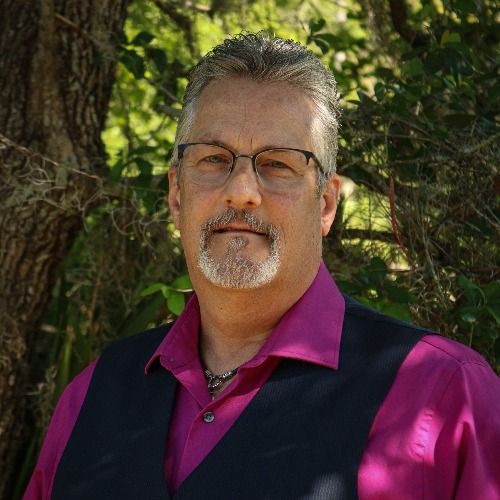
The Power of Perspective: A Cancer Diagnosis Isn't A Death Sentence
Today, we're diving deep into the inspiring journey of Zoraida Morales, a former investment banker turned certified transformational nutritionist and cancer coach.
Zoraida’s story is a powerful reminder that a cancer diagnosis doesn’t have to be the end of your story; rather, it can be a catalyst for transformation and self-discovery. After enduring 13 years of chemotherapy, she celebrates four years in remission and now dedicates her life to empowering others through her holistic approach to health, focusing on nutrition, mental well-being, and spiritual growth.
We'll explore how she transitioned from surviving to thriving, emphasizing the importance of taking care of oneself to better support others.
Join us as we unpack her insights on resilience, joy, and the warrior spirit that lives within us all.
Takeaways:
- Zoraida Morales's journey from investment banking to cancer coaching shows resilience and transformation.
- Survivors can thrive by focusing on nutrition, mental health, and spiritual wellness as pillars.
- It's essential to communicate openly with children about serious health issues to prevent misunderstandings.
- The importance of self-care and putting oneself first, especially for caregivers, cannot be overstated.
- Joy and hope should be prioritized in life, regardless of the challenges faced, including cancer.
- Embracing one's true self can lead to significant personal growth and change in life direction.
You can connect with Zoraida on her website at: https://zoraidamorales.com
& her social platforms at:
FB: https://www.facebook.com/zoraida.morales.1428/
Instagram: @z.morales2018
LinkedIn: https://www.linkedin.com/in/zoraida-morales
The music in this video is copyrighted and used with permission from Raquel & The Joshua 1:8 project © 2025 All Rights Reserved. All rights to the music are owned by Raquel & The Joshua 1:8 project © 2025 All Rights Reserved. You can contact Raquel at https://YourGPSForSuccess.Net
Transcript
I've walked through fire with shadows on my heels Scars turn to stories that taught me to feel lost in the silence found in the flame now wear my battle cry without shame this isn't the end it's where I begin A soul that remembers the fire within welcome.
Speaker B:Back to another episode of A Warrior Spirit brought to you by Praxis33.
Speaker B:I'm your host, Darrell Snow.
Speaker B:Let's dive in.
Speaker B:Hey.
Speaker B:Welcome back.
Speaker B:And every once in a while, you get a chance to meet some really spectacular people who have lived an amazing life and are willing to share part of that journey.
Speaker B:And today, my guest, Zoraida Morale.
Speaker B:She was an investment banker, but she's also a cancer, cancer thriver.
Speaker B:Sorry.
Speaker B:Easy for me to say.
Speaker B:You think I'd done this once or twice.
Speaker B:She was diagnosed with chronic myeloid leukemia, and she endured 13 years of chemotherapy, and she now celebrates four years in remission.
Speaker B:She's a certified transformational nutritionist coach, and she's a certified cancer coach.
Speaker B:And she empowers survivors and caregivers through her three pillars of nutrition, mental, physical, and spiritual.
Speaker B:And her holistic approach helps clients manage fear, nourish their bodies, and shift from surviving to thriving.
Speaker B:And she's the exact type of person that I love to have on my show.
Speaker B:So sorry, I butchered that introduce.
Speaker B:And you think after 150 some episodes, I know how to introduce a person.
Speaker B:But, hey, here we are.
Speaker A:Thank you.
Speaker A:It was a lovely introduction.
Speaker A:Thank you so much, Daryl.
Speaker A:I'm so happy to be here.
Speaker B:I meet a lot of people doing this, a lot of people with a lot of stories, but I haven't met many cancer survivors.
Speaker B:So how old were you when you received your prognosis?
Speaker B:And you know what, let's kind of explore where that took you.
Speaker A:So I was 45 years old with a 3 year old and a 6 year old when I got diagnosed.
Speaker A:I was in investment banking, living my life, living my dream.
Speaker A:But what if I told you that cancer isn't the end of a story, but it's a life reimagined.
Speaker B:It should never be the end of the story.
Speaker B:Were you married at the time or were you single with your children?
Speaker A:I was married at the time.
Speaker B:Are you still married to the gentleman?
Speaker A:No, I got a divorce while taking chemo.
Speaker B:I.
Speaker B:My wife has been chronically ill for 10 years and, well, 11 now.
Speaker B:And so that's why I asked the question, because anyone who goes through what you've gone through and what my.
Speaker B:My wife has gone through, it takes a lot to stand by And I get irritated when people leave their partner for whatever reason.
Speaker B:I don't know your story, but it irritates me when they leave their partner in the midst of an illness.
Speaker B:Because to me, the vow said for better or for worse, not, you know, as long as things are bright and sunny and.
Speaker A:Yeah.
Speaker B:So did the illness contribute to the downfall of your relationship, or was there already stuff leading in that direction?
Speaker A:Well, I was married for 24 years, so there's always stuff, right?
Speaker B:Always.
Speaker B:Yeah.
Speaker A:And let me just say that my heart goes out to you and your wife.
Speaker A:We both have experienced things that people should not have experienced.
Speaker A:Right.
Speaker A:And here's what I'll say, that when people get a diagnosis, cancer or any other diagnosis, people's traumas and their limiting beliefs rise to the surface.
Speaker A:I know.
Speaker A:I know exactly what you're saying.
Speaker A:You say those words, you say for better or for worse, in sickness and in health.
Speaker A:But I gotta tell you, nine times out of 10, when people say those words, they're not thinking they're going to get a diagnosis.
Speaker A:And so they're living their life as though the time is.
Speaker A:It's not borrowed, because it is.
Speaker A:And I got a divorce.
Speaker A:Well, let me just say that I took chemo for 13 years.
Speaker A:And I think by year 11 or 10, I did not feel safe.
Speaker A:I did not feel emotionally safe, mentally safe.
Speaker A:And it was a reawakening for me because, you know, when you get this diagnosis, you can't help but wonder, how do I want to live?
Speaker A:What am I hungry for?
Speaker A:And so I knew that that's not how I wanted to live because I saw myself in a coffin and I said, this is not how I want to go.
Speaker A:So even if the day.
Speaker A:Even if it's the day tomorrow, next week, next month, this is not how I'm going to live my life.
Speaker A:This is not what God spirit, my ancestors, want it from me.
Speaker B:So I know my wife, she's almost died twice from this.
Speaker B:And I know at one point she actually penned her obituary and her exit letter to her family.
Speaker B:In your 13 years of doing that, did you do that with your family as well?
Speaker B:Did you?
Speaker B:Or did you never get to a point where you felt that it was going to be the end?
Speaker B:You just had to still find a way out?
Speaker A:I did not do that.
Speaker A:I did get my affairs in order.
Speaker A:Right.
Speaker A:And I was in finance, so it was somewhat easier for me than for other people.
Speaker A:But it's a very emotional thing to have to do.
Speaker A:I mean, I actually had to go to people and say, would you take care of my children in the event that I was no longer here and they were younger than 18.
Speaker A:That's a hard conversation to have with yourself, with your spouse, and then with the person that you're electing.
Speaker A:But I gotta tell you, I was angry when I got that.
Speaker B:It's a hard conversation to have with your children, too.
Speaker B:Like, you have to explain to these young children what is happening, because chemo is extremely invasive.
Speaker B:And I know how I feel watching my wife suffer and do her thing.
Speaker B:So I can only imagine, as a child, bearing witness to my mother going through that.
Speaker B:How did you have that conversation with your children?
Speaker A:Oh, you know, my children now are 20 and 23, and I love for them to actually answer that question from their perspective.
Speaker A:But from my perspective, we were, and this is Spirit Source, already putting things in place where we were fundraising for Leukemia Society, we were fundraising for St. Jude's Children's Hospital, their whole entire lives for them.
Speaker A:They were doing this with a program in school.
Speaker A:When I said to them, and now they're three and six.
Speaker A:When I said to my oldest one that I got the diagnosis, that was the hardest thing I ever had to do because I knew he was going to understand exactly what was going to happen.
Speaker A:And I bought a book.
Speaker A:Remember Barnes and Noble?
Speaker A:Remember when you sat there and you read a book?
Speaker B:Oh, I'm old enough.
Speaker A:Yeah, so me too.
Speaker A:So I looked through books, and I found a book for a child, and I get.
Speaker A:And so I pick him up from school, and I gave it to him, and he's reading it in the back of the car, and I'm driving home, and he's being empathetic as he always is.
Speaker A:And I said, okay, this is my time.
Speaker A:So when we get home, before I pick up his little brother, because I wanted to have a conversation with him alone.
Speaker A:They're two different ages, so they're two different conversations.
Speaker A:I sat in his chair in his room while he read the book.
Speaker A:And I said to him, mommy has the same cancer that the little boy has in New York Story.
Speaker A:I could see the bewilderedness in his face.
Speaker A:What?
Speaker A:It didn't.
Speaker A:But here are the two questions he kept asking me.
Speaker A:Now he's six.
Speaker A:Are you gonna die?
Speaker A:And is your hair going to fall off?
Speaker A:And I didn't know the answer to those questions.
Speaker A:But I lied.
Speaker A:I lied.
Speaker A:I said, no, Mommy's going to be okay.
Speaker A:Mommy's going to be okay.
Speaker A:But I needed for him to know.
Speaker A:And I understand now why my oncologist was really a stickler for me to tell my children.
Speaker A:And it was because of this.
Speaker A:My oncologist is a mother of five and she knew that the children were sensing something was happening, but didn't have the language to understand it.
Speaker A:And she knew how it was going to impact them, and she knew that I just couldn't, I couldn't keep them safe.
Speaker A:And so when I said these words to him, you know, we both shed a tear, we both hugged, and then I said, he said no.
Speaker A:And then he said, we need to tell my little brother.
Speaker A:He's always looked out for his little brother.
Speaker A:And I said, will you help me?
Speaker A:And he said, I'll say it, mom.
Speaker A:I'll do it.
Speaker A:I'll do it.
Speaker A:And he was actually the one.
Speaker A:He just blurted it out to my 3 year old.
Speaker A:And so I couldn't even tell you what my three year old was feeling because he's three.
Speaker A:But he knows that something's not right.
Speaker A:Because here's the thing, the laughter is gone from the family unit in the household.
Speaker A:So in the household, there's not a lot of laughter going on.
Speaker A:There's a lot of secrets, a lot of whispering going on.
Speaker A:It's not as boisterous as it used to be.
Speaker A:And so I knew they were feeling that.
Speaker A:And you know, my children now are 20 and 23, and my 23 year old, he bears a lot of that wanting to take care of his mother and doesn't know how.
Speaker A:They did a great job.
Speaker B:Well, as children too, if you're not honest with them, children internalize that.
Speaker B:Because when things are good in the house and then suddenly they're not, a child's small little brain goes, it's got to be me.
Speaker B:And then they internalize and harbor things that they should never even have on their plate.
Speaker B:And it can affect their entire life.
Speaker B:So as hard as a conversation is, it's vital to be honest with your children about any of that stuff, whether it be cancer, death, divorce, whatever, so that they don't bear witness to it and blame themselves and then spend the rest of their life trying to overcome that.
Speaker B:I speak from experience in that it traumatizes a child to do things that they should never do.
Speaker B:Yeah.
Speaker B:May I ask, I know that hair loss really affects my wife and is very emotional.
Speaker B:Did you suffer through the hair loss?
Speaker A:I, I, I did.
Speaker A:Not as severe as other people, so I was lucky in that sense.
Speaker A:But in my mind, because I was still operating from the old mindset, the old traumas and the limiting beliefs, in my mind, I cut it short because that's what I wanted.
Speaker A:Because that was how I got through it.
Speaker A:Because I was angry when I got this diagnosis, was angry at God because I was already born into generational poverty.
Speaker B:It's interesting.
Speaker B:And I'm, you know, female hair loss.
Speaker B:And I've.
Speaker B:I've watched it for 11 years.
Speaker B:Female hair loss is emotionally as damaging as what the physical ailment that you're going through.
Speaker B:It plays.
Speaker B:There's times where my wife is afraid to shower because she doesn't want to see everything that happens in the shower.
Speaker B:And, you know, she gets traumatized just even turning on the water to do that.
Speaker B:So, you know, for.
Speaker B:For women, that's a.
Speaker B:That's a huge part of their identity, you know, and, you know, it's.
Speaker B:I. I don't know how to.
Speaker B:Other than holding space for her.
Speaker B:I don't know how to help her with that because it's an emotional thing that.
Speaker B:That I can't understand no matter how hard I try.
Speaker B:I can shave my head, I lose hair.
Speaker B:My receding hairline is receding, but I'm not traumatized by it like many women are.
Speaker B:So in your coaching career, being a cancer coach, I'm sure that's an emotion that you have to deal with all the time with women.
Speaker B:So how do you.
Speaker B:How.
Speaker B:How do you help them through that?
Speaker B:So maybe I can help my wife through it.
Speaker A:So, you know, I've been there, and everyone's journey is different, Let me just say, right?
Speaker A:My journey is different than everyone else's, and I respect that.
Speaker A:Right?
Speaker A:But I do tell them about my journey and how I got through it.
Speaker A:Now, again, I was in a very angry state at God because I was still in.
Speaker A:In the mindset of this is happening to me, right?
Speaker A:And it's just one more thing.
Speaker A:And so how I handled it then is different than how I will handle it now.
Speaker A:So then I cut my hair short, and I got a haircut that I really loved.
Speaker A:And I told myself that I got a short haircut because I look good in short hair.
Speaker A:Right?
Speaker A:It was how I programmed myself.
Speaker A:And then I started to wear a wig years later, because then I wanted to feel more like my old self.
Speaker A:And I still go through it.
Speaker A:So on Friday, I'm about to.
Speaker A:I don't know if it's the word.
Speaker A:Celebrate is the right word, but I'm about to acknowledge that.
Speaker A:It's 17 years since I got my diagnosis.
Speaker A:Let me reframe.
Speaker A:It's 17 years since I got the diagnosis.
Speaker A:Okay?
Speaker A:On Friday, the 14th is going to be that anniversary.
Speaker A:I'm Going to write about it.
Speaker A:I've already started writing about it on LinkedIn.
Speaker A:My hair, a lot of my hair still falls off.
Speaker A:I took chemo for 13 years.
Speaker A:It's the way it's going to be.
Speaker A:I'm in remission four years.
Speaker A:So when I see all the hair that comes out, when I see all the hair on my floor, because there's hair always everywhere, It's a subtle reminder.
Speaker A:I don't know if I ever really get through it.
Speaker A:It's there.
Speaker A:I do go into a place of gratitude, right?
Speaker A:So when I have short hair, I kept saying, I'm grateful that I look good in this haircut.
Speaker A:I'm grateful that I have hair.
Speaker A:I kept sticking with the gratitude because it was the only thing that would help me move through the sadness.
Speaker A:Even now, when the hair.
Speaker A:I just combed my hair to come here, right?
Speaker A:I'm in the bathroom.
Speaker A:I had to clean up my bathroom because there's hair all over the place.
Speaker A:And I was like, how lucky am I?
Speaker A:I have hair coming out.
Speaker A:You see how it is.
Speaker A:The reframe is the reframe that I constantly still have to do myself.
Speaker B:So how did you reframe your anger at God to being your connected spiritual self to God?
Speaker B:Because I.
Speaker B:It's again, and I'm sorry to go back to my wife, but it's the example that I have.
Speaker B:I get very angry at God, and I get very angry at God because I know in a heartbeat and in an instant that she could be 100% healed.
Speaker B:And I know for a fact that someone with her loving heart and her connection to God and her obedience to God deserves better than what physically she's getting.
Speaker B:So I get angry, and every time I'm angry, she tells me to knock it off.
Speaker B:Because we are blessed and we have each other and we have many things that.
Speaker B:That God blesses us with.
Speaker B:But I still battle that for her.
Speaker B:So as someone who's going through it, how did you overcome that?
Speaker B:And.
Speaker B:And when did you start leaning into your relationship instead of railing against it?
Speaker A:First, let me say that you're entitled to feel what you feel.
Speaker A:And it's okay.
Speaker A:It's okay, Darrell, that you feel angry sometimes at God because you love her, you want her whole with you, right?
Speaker A:So it.
Speaker A:And I.
Speaker A:And I know she feels the same way.
Speaker A:So let me just give you permission to feel what you feel.
Speaker A:But for me, there came a point in my life, I think it was like there were the few things that happened, but while taking chemo, I felt dead inside.
Speaker A:And I wanted to be happy.
Speaker A:And I was flooded with fear, and I was flooded with guilt and shame and anxiety.
Speaker A:But that anger, like, just stood.
Speaker A:Just stood with me.
Speaker A:Because that diagnosis cracked.
Speaker A:Everything opened, right?
Speaker A:But in that loneliness, something sacred began to rise for me.
Speaker A:And it was that quiet knowing that there had to be more than just surviving hell.
Speaker A:I wanted to thrive.
Speaker A:And that's when I started to rebuild from the inside out.
Speaker B:How long did that take you?
Speaker A:Two or three years, by the time I.
Speaker A:When I said those words to.
Speaker A:When I started to make those changes.
Speaker A:And for me, it's a mental stuff.
Speaker A:I mean, for everyone, it's a mental stuff.
Speaker A:And I started with hypnotherapy.
Speaker A:So I had always gone to talk therapy, but talk therapy wasn't good for me.
Speaker A:It works for other people.
Speaker A:But a lot of my traumas are inherent.
Speaker A:They're generational.
Speaker A:They are past lives.
Speaker A:So the talk therapy wasn't working for me.
Speaker A:I needed to go deeper.
Speaker A:And so hypnotherapy was the first thing I did to go deeper.
Speaker A:Because with hypnotherapy, you get to rewire your brain.
Speaker A:You get to.
Speaker A:You get to rewire your body.
Speaker A:Your body feels certain things when certain words are said, and sometimes you just don't know why.
Speaker A:And it's because they're coming from past lives.
Speaker A:And once I started to feel the shift happening, I knew I was onto something.
Speaker A:I knew that I was feeling more joy.
Speaker A:Joy and peace in my heart.
Speaker A:But it took me years.
Speaker A:Took me years.
Speaker A:And I still work on it every day.
Speaker A:Every day.
Speaker A:I have a devotion to self ritual that starts in the morning, and then I anchor it at night.
Speaker A:The same way.
Speaker A:I don't.
Speaker A:I don't deviate from it.
Speaker A:The devotion to self came, and.
Speaker A:Which is what my program is all about.
Speaker A:It was birthed from me having to live it.
Speaker B:So how long did you stay in banking before you switched to self discovery, healing, and coaching?
Speaker A: Well, I got diagnosed in: Speaker A:And I left only because I was laid off at the beginning of COVID I didn't really want to leave.
Speaker A:I liked my lifestyle.
Speaker B:And it's funny you say that because, you know, through this trauma that my illness that my wife's gone through, she stepped more into her purpose and her passion, and she's gone on to get her Reiki master in hypnotherapy and several other modalities.
Speaker B:But the more I see her step into the spiritual realm of where she's supposed to be of service to God, the more I see the world around her, affects her.
Speaker B:Because some people have this illusion that, oh, I'm very connected to God now.
Speaker B:Life is suddenly going to be easy.
Speaker B:And through my lifetime and from the people that I've dealt with, the more you step into your spiritual side, sometimes the harder life gets for you.
Speaker B:Because.
Speaker B:And I've always said, you know, look, when you're just sleepwalking through life, the enemy has no reason to pay attention to you.
Speaker B:But as soon as you're on the battlefield for the right reasons, suddenly you're a problem and they will attack you to get you off that battlefield.
Speaker B:So how much of that did you experience?
Speaker A: So it took me to: Speaker A:It was.
Speaker A:It was the two by four that I needed to start living the life that I.
Speaker A:That he wanted me to live.
Speaker A:Because I didn't want to change my life.
Speaker A:I did.
Speaker A:I wanted to.
Speaker A: a, born in the South Bronx in: Speaker A:So I'm around people who are in fight or flight mode.
Speaker A:I'm around people who have a lot of trauma.
Speaker A:My father, my biological father actually started a family around the corner from where we lived with our family.
Speaker A:So when I tell you that now, years later, I'm in finance and I didn't want to change my life because what it reminded me of the life I used to have, I was kicking and screaming.
Speaker A:I did not want to.
Speaker A:And here's what my ego said when I said, okay.
Speaker A:It was during a conversation with the caregiver.
Speaker A:And I said, I'm going to be a cancer coach.
Speaker A:And now that was my heart speaking.
Speaker A:That wasn't my ego.
Speaker A:And that was in my mind, that was my heart.
Speaker A:I had not heard my heart in a really long time.
Speaker A:And so when that happened, I was shocked.
Speaker A:And I was like, oh, my God, who said that?
Speaker A:But I knew it was spirit.
Speaker A:I knew those weren't my words, those were spirit.
Speaker A:So I had a conversation now with my mind and my ego.
Speaker A:I know it may sound strange, but not to me.
Speaker A:Work with me.
Speaker B:Yeah.
Speaker A:So here, after this conversation with this woman, I'm in shocked.
Speaker A:And I go to.
Speaker A:And my ego goes, we're not going to do that.
Speaker A:We're not going to be poor.
Speaker A:Look, hear the words that are coming out of my.
Speaker A:We're not going to be poor.
Speaker A:Again, that's for poor people or coaches.
Speaker A:We're not going to.
Speaker A:We like being in finance.
Speaker A:We like the house we lived in.
Speaker A:We like the neighborhood, because I lived in the suburbs of New Jersey, near the New Jersey shore.
Speaker A:I worked in Manhattan.
Speaker A:I was a finance manager.
Speaker A:I was in my dream job, my dream career.
Speaker A:I worked hard to get there.
Speaker A:I did not want to change.
Speaker A:Well, my ego did not want to change it.
Speaker A:And then my mind said, what do you know about being a coach?
Speaker A:Now I'm a manager and I have direct reports and I have two children and a husband.
Speaker A:So I always knew I was a coach, right?
Speaker B:Yes.
Speaker A:But I finally had to.
Speaker A:That was the moment, Dara, where I had to say to my mind and my ego, I'm the heart and you haven't seen me in a really long time, and that's my fault.
Speaker A:But now we're going to live differently.
Speaker A:I'm going to be the leader and you're going to follow and support.
Speaker A:And, you know, my mind and ego went kicking and screaming.
Speaker A:They were like, we are.
Speaker A:No, we like being in charge.
Speaker A:But that, that.
Speaker A:That burst of ecstasy that I felt when I helped this woman and she gave me so much love back.
Speaker A:And I said those words that I was going to be a cancer coach were so powerful.
Speaker A:That feeling, my heart was tingling, my fingers were tingling.
Speaker A:I had not felt that in years.
Speaker A:I knew I was onto something.
Speaker A:I knew it was time to make the shift.
Speaker A:Here I am, I'm on year, what, 10, 13?
Speaker A:No, I was on year, like 10 11.
Speaker A: By that time, this was: Speaker A:I was still taking chemo.
Speaker B:You were still taking chemo.
Speaker B:And during that time, during your shift, and I'm just gonna go out on a limb.
Speaker B:When you started showing up authentically, when you started embracing your true self, when you started being in control instead of your ego being in control, did that put the final nail in your marriage?
Speaker B:Because suddenly you weren't the woman that he knew you to be and he could no longer handle what was coming forth.
Speaker B:The power, the essence, the determination, the actual real Zorada.
Speaker A:So when I said those words that I was going to be a cancer coach, I was already divorced.
Speaker A:However, to your point, four years earlier, I had told myself, you need to devote to self.
Speaker A:You put everyone first.
Speaker A:I'm a natural giver.
Speaker A:I'm compassionate, I'm empathetic.
Speaker A:I'm the firstborn in a Puerto Rican household, woman, Brown woman at that, so taught to take care of others and defer to others and then put myself last.
Speaker A:So while I was working in finance, I would wake up at 4:30 in the morning to work out 4:30, because I knew that if I didn't work out at 4:30 in the morning.
Speaker A:It wasn't going to happen because I had children, I had a husband and I had a career and I knew I wasn't going to go back to.
Speaker A:I wasn't going to go to sleep until 9, until 11 o' clock at night and when was I going to work out?
Speaker A:So it was during that time where he started to notice.
Speaker A:Yes.
Speaker A:Oh my God, she's putting herself first now I'm taking chemo.
Speaker A:So I wasn't taking while taking chemo.
Speaker A:Here's the thing.
Speaker A:While taking chemo, my family wanted things as is, because when you are the giver, people like it and they do not like it when things start to shift.
Speaker A:And so my husband didn't like it, my mother didn't like it, my siblings didn't like it, and some of my friends didn't like it because who do you think you are?
Speaker A:You're putting yourself first.
Speaker A:I was like, yeah, I am.
Speaker B:Even in spite of the illness, they think that you're doing something wrong.
Speaker B:I know that my wife's illness has cost her virtually every friend she thought was a friend because A, they didn't know how to handle her illness, B, they didn't like that she wasn't the organizer of all the fun activities anymore or couldn't show up when they were happening.
Speaker B:And, and they didn't know how to actually just be with her.
Speaker A:Yeah.
Speaker B:Instead of, you know.
Speaker B:So did, did you experience that and.
Speaker B:Oh yeah, yeah, I would de.
Speaker A:Organize.
Speaker A:I mean, you're mirroring everything that I've experienced.
Speaker A:I mean, we went to Puerto Rico every five years and who, who, who organized most of it?
Speaker A:Me, for 20 people.
Speaker A:20, 30 people.
Speaker A:Yeah, I was.
Speaker A:And let me just say that was part of my job at Morgan, at my company as well.
Speaker A:Right.
Speaker A:I was an event manager, so I did events.
Speaker A:So.
Speaker A:And, and then I used to be an executive assistant.
Speaker A:So I know how to make travel arrangements for 20 people.
Speaker A:And so everyone kept saying, oh, you're so good at it.
Speaker A:Because here's it, here's the thing.
Speaker A:I had all these skills that were great in finance but weren't good when I got cancer.
Speaker A:And so everyone was like, but no, we like when you do these things.
Speaker A:And actually.
Speaker A:And I, you know, I don't know.
Speaker A:I can't tell you what my ex is thinking, but he liked it the way it was, where I was doing everything and it was always because I was so good at it.
Speaker A:So when I got cancer, guess what people were telling me, you know, if anyone's gonna beat this.
Speaker A:It's you.
Speaker A:You're the strongest person I know.
Speaker A:Not.
Speaker A:Hey, I love you.
Speaker A:What can I do for you?
Speaker A:I got the.
Speaker A:You're gonna.
Speaker A:You're the only one I know who can do this.
Speaker A:Thinking that I wanted to still grind.
Speaker B:And so a lot of pressure on you, though, that puts.
Speaker B:So much pressure, because not only then do you have to meet your expectations, you have to meet their expectations, and that causes guilt and more punishment to yourself, verbally and mentally.
Speaker B:And that doesn't help the healing process at all.
Speaker B:I really.
Speaker B:I really wish people understood how to allow people to sit with what they're in and go through it with them instead of trying to make them who they think they should be or who they were, you know?
Speaker A:Yeah.
Speaker B:Go ahead.
Speaker A:To your point, people should say, I love you.
Speaker A:I'm sorry.
Speaker A:This happens.
Speaker A:This is happening.
Speaker A:What can I do for you?
Speaker A:Can I call you every now and then to check up on you?
Speaker A:Can I go get you groceries when I get groceries?
Speaker A:Can I take your children out for a play date when I take my children?
Speaker A:I mean, what.
Speaker A:What is that?
Speaker A:Right?
Speaker A:Not just call me, call me when you need me.
Speaker A:No one's gonna call you.
Speaker B:Especially a giver.
Speaker B:My.
Speaker A:Right.
Speaker B:My wife heard that so many times.
Speaker B:Oh, call me when you need me.
Speaker B:Well, a giver isn't going to.
Speaker B:A giver is going to say, I can do it.
Speaker B:I got it.
Speaker B:They're never gonna.
Speaker A:I got it.
Speaker B:But if.
Speaker B:If you put it out there and then they'll take you up on their offer.
Speaker B:I'm going to ask you real quick about this.
Speaker B:Make sure I get the right one.
Speaker B:This one.
Speaker B:So what made you decide to write your book or at least be a contributing author?
Speaker A:Wow.
Speaker A:So, see, I have a wig on.
Speaker B:Oh, yeah.
Speaker B:And you're hiding behind the glasses.
Speaker B:Yeah.
Speaker B:Because they're big and they cover.
Speaker A:And I got a divorce.
Speaker A:That was right after I got my divorce.
Speaker A:And I had just moved to New York City.
Speaker A:So, yeah, I sold my house and then I moved to New York City, and that was me.
Speaker A:That was the time where I was healing.
Speaker A:That was the beginning of my healing journey.
Speaker A:And this was me saying to the world that I matter, and I am going to continue healing from my entire life because I started to recognize that my entire life was not what I thought it was like.
Speaker A:There was a lot of layers that I had just pushed to the back burner, and I started to.
Speaker A:This is the time I started to peel that onion with my therapist going back and going back and going back and Realizing I was a people pleaser and deferring to others and making sure everyone was happy.
Speaker A:Right.
Speaker A:Because that's what I did as a kid when I was in the South Bronx and my father had a family around the corner.
Speaker A:And my mother decided that, okay, I'm going to go to college at night and go to work during the day.
Speaker A:With four kids under 8 years old, I was the one that managed her stress.
Speaker A:It was my job.
Speaker A:I took over.
Speaker A:I didn't want to, but I was one of those that.
Speaker A:That's what I did.
Speaker A:That's what I was asked to do.
Speaker A:And I became one of those original latchkey kids.
Speaker A:At 6 and 7 years old, I had to lead myself.
Speaker A:And this is the time where I started to recognize that, hey, I didn't have the childhood that I thought I did.
Speaker A:There were other things going on that were really deeply hurting me, which got me to where I am today.
Speaker A:So I knew at this time that I needed to peel the onion because I was never going to make those same mistakes again.
Speaker B:And so how long till you peeled it to this?
Speaker A:Wow.
Speaker A:Took three years.
Speaker A:It was during COVID actually.
Speaker A:This was all during COVID And I'm so grateful that I got to do it alone without anyone watching, you know, because I was in New York.
Speaker A:I was back in New York City.
Speaker A:I was living in a 2,500 square foot house built just for me in New Jersey.
Speaker A:Now I sell it, I get a divorce, I move to New York City, and I'm in a two bedroom, 780 square foot apartment.
Speaker A:Apartment.
Speaker A:A fourth floor walkup that looked exactly like the building I lived in when I was poor.
Speaker A:It was karma coming all back.
Speaker A:And while still living in that apartment, I decided I was going to become a cancer coach.
Speaker A:I decided that I was going to help others because I couldn't have been the only one who had all this trauma from generations and from past lives.
Speaker A:I was like, I can't be the only one.
Speaker B:So.
Speaker A:God gave me this gift.
Speaker A:And when Here, here's a $13,000 scholarship.
Speaker A:You're going to be a cancer coach.
Speaker A:Certified.
Speaker A:And you're going to be a certified nutrition coach.
Speaker A:And it took me two years because I was still taking chemo and not, you know, I had to put my health first.
Speaker A:And I created a program while still taking chemo, which is called life by design, not default, which is the three pillars of nutrition.
Speaker A:The mental, physical, and the spiritual.
Speaker A:Because everything that I'm building is all from lived experience.
Speaker A:Everything.
Speaker A:And I'm just creating it.
Speaker A:I'm just creating because I'm like, I'm not the only one.
Speaker B:I love that your pillars are three, because I view mental, spiritual and physical as a three legged stool.
Speaker B:And if you sit on it and all legs are level, life is good.
Speaker B:But you got a leg that's off even slightly and it starts to become a wobble.
Speaker B:And if it's off a lot, now you're really trying to balance that.
Speaker B:So I like that you're.
Speaker B:That you have the three pillars because they all have to work in tandem for life to be balanced.
Speaker A:Yeah.
Speaker A:Yeah.
Speaker A:And it was for me, Darrow, it was the spiritual pillar that was my anchor.
Speaker A:Because here's the thing.
Speaker A:I go back, I go to New York and I'm surrounded by boxes, 2,500 square feet of them.
Speaker A:And one of my children is in.
Speaker A:Just went to college, and the other one went to live with his father because he did not like the fact that he was moving from the suburban atmosphere into men into New York.
Speaker A:Right.
Speaker A:It was a total shock.
Speaker A:And so here I am by myself.
Speaker A:And my friends didn't understand because they're like, no one's happy in a 24 year marriage.
Speaker A:I was like, it's like the.
Speaker A:And, and, and someone even told me, go have an affair.
Speaker A:I was like, this isn't about sex.
Speaker A:And so I felt so alone.
Speaker A:And that's when I got re in touch with spirit.
Speaker A:That's when I went to a corner in my apartment full of boxes and it was Covid.
Speaker A:And I just look up and I said, hi, God, it's me, it's Sereda.
Speaker A:I said, I know I haven't looked for you in a really long time because I quit him.
Speaker A:When I got the diagnosis.
Speaker A:I literally told him, I quit you.
Speaker A:I'm not talking to you anymore.
Speaker A:I'm done.
Speaker A:But here I am.
Speaker A:I come back and I say, I need you.
Speaker A:I need you.
Speaker A:I need you to hold me.
Speaker A:I need you to.
Speaker A:I need you to love me.
Speaker A:I need you to tell me everything's going to be okay.
Speaker A:Because in my heart I knew I did the right thing.
Speaker A:But everyone was against me.
Speaker A:And you know what he did?
Speaker B:Yes, I do.
Speaker B:He embraced you and he welcomed me and he hugged you.
Speaker B:Absolutely.
Speaker A:He hugged me.
Speaker B:Yeah.
Speaker A:And you know, I'm touching my.
Speaker A:My arms because I.
Speaker A:Whenever I do this, I feel his hug again.
Speaker A:I felt that warmth in my heart just go all the way down.
Speaker A:And I cried and I cried and I leaned in and I just cried and I cried and I cried because I knew he had me.
Speaker A:I Felt it.
Speaker A:I don't need, I don't need proof.
Speaker A:That's my proof.
Speaker A:I don't need tangible proof.
Speaker A:I felt it.
Speaker A:That was all I needed.
Speaker A:And I cried for about 20 minutes and then I stopped.
Speaker A:I knew I was okay.
Speaker A:I knew he had my back.
Speaker A:And then I just wiped my tears and I started unpacking.
Speaker A:And I didn't realize that I was unpacking.
Speaker A:What I was doing was I was saying goodbye to the old life, to the old way of thinking, and I was, I was unpacking this new perspective.
Speaker B:So let me ask you, the Zoraida from today, cancer aside, how is she different than the teenage Zaretta?
Speaker A:This Zoraida lives in peace, love and joy right here.
Speaker A:I do not need anyone or anything to elevate my heart.
Speaker A:I do that.
Speaker A:I have a. I don't know how to put this, but I take very good care of my seven year old self.
Speaker A:And so I go back to her because my job is to take care of her.
Speaker A:She didn't have the, all the tools and the love that she needed, but as the adult I have them.
Speaker A:And so I take good care of her.
Speaker A:And that means that we journal, we, we meditate.
Speaker A:I have a 10, 10pm session with Reiki after this.
Speaker A:This is how I.
Speaker A:This is how I pour into myself.
Speaker A:And so there's a lot of the world right now is not really in a good place, but I don't let that, I don't let that affect me here.
Speaker A:And so I pour into myself.
Speaker A:So now, so then I can pour into others.
Speaker A:Whereas before I was pouring into others from an empty cup and even from a full cup.
Speaker A:But now I only do it from a overflowing cup.
Speaker A:So that means that I get up early in the morning and I take good care of myself and then I mirror it in the evening because it's about me.
Speaker A:It has to be, it should be very much so.
Speaker A:It's what I call devotion to self.
Speaker A:And this is what I teach caregivers because caregivers really need it, right?
Speaker A:They're thrown, you know, you're thrown into this new world.
Speaker A:You didn't expect it.
Speaker A:And you may not have all the tools to take good care of yourself because you never really had to nothing until now.
Speaker A:Now there's someone that you so desperately love and you want to take care of, but you've never been taught that you matter and that you need to put the mask on first.
Speaker A:Even though we all say it, but we've never been taught.
Speaker A:I teach people that.
Speaker A:So it Doesn't.
Speaker A:It didn't matter that my diagnosis said I had cancer.
Speaker A:I was living in joy.
Speaker A:Here you see the difference?
Speaker A:It's not that I'm living in a different world, because I know I have cancer.
Speaker A:I know I have limitations.
Speaker A:But joy.
Speaker A:Joy is my birthright.
Speaker A:Hope.
Speaker A:Hope is my birthright.
Speaker A:How dare you say that I'm not entitled to hope.
Speaker A:Enjoy.
Speaker A:No, that's how I'm going to live my life.
Speaker A:And that's how.
Speaker A:That's how I've been living it.
Speaker A:And so I'm living it and I'm teaching it.
Speaker B:So not everyone has cancer, but everyone has trauma.
Speaker B:I don't.
Speaker B:I've been in this world for 60 years.
Speaker B:I haven't met anyone who's gone from start to finish.
Speaker B:La dee da.
Speaker B:Yeah, we all have trauma.
Speaker B:So when somebody comes to you and they say, I'm great, you found your joy again, I'm great, you found your bliss again, it's great that you found your connection to spirit again.
Speaker B:But I don't have any of that stuff.
Speaker B:I don't have joy.
Speaker B:I don't have hope.
Speaker B:I don't have faith.
Speaker B:So how am I going to survive?
Speaker B:What do you say to those people?
Speaker A:Two different things.
Speaker A:How do you want to live?
Speaker A:See yourself in that coffin?
Speaker A:Are you going to live with regrets?
Speaker A:Fear?
Speaker A:You know, I tell people, don't wait to get that diagnosis.
Speaker A:I saw a lot of people leave kicking and screaming from this world.
Speaker A:I said, that's not going to be me.
Speaker A:So now I get this diagnosis.
Speaker A:I don't know when I'm.
Speaker A:None of us know when we're going to pass, but I know now that no matter when it is, it could be tomorrow that I'm going to be okay.
Speaker A:I'm going to be like, okay, I want my red lipstick.
Speaker A:I want some great music playing.
Speaker A:And if I can't, please let me have one more dry martini, shaken, and I'm ready.
Speaker A:Because you know what I've done, the things that I've wanted to do, right?
Speaker A:And not all tangible things we're talking about.
Speaker A:Some of those things were shifting my mindset.
Speaker A:That's what I wanted to do, shifting my mindset.
Speaker A:It's something I congratulate myself for.
Speaker A:So I asked people, so how do you want to live?
Speaker A:What are you hungry for?
Speaker A:It's going to take work.
Speaker A:You're going to have to take an hour from the Netflix to spend an hour with the meditation or the journaling or the yoga or what?
Speaker A:Or that, that walk around the neighborhood, whatever that is for you.
Speaker A:Right.
Speaker A:But you got to decide what's.
Speaker A:What's important and what's not important.
Speaker A:Don't wait to get a diagnosis.
Speaker A:And then I can also ask, you know, what brings you joy when you were seven years old, when you were six years old, what brought you joy?
Speaker A:Those things I do now.
Speaker A:Crossword puzzle.
Speaker A:I was that kind of kid.
Speaker A:Brings me joy.
Speaker A:Baseball brings me joy.
Speaker A:Riding a bike brings me joy.
Speaker A:Dancing brings me joy.
Speaker A:I sing love songs to myself.
Speaker A:I like to dance and sing in front of.
Speaker A:I like to show myself love.
Speaker A:So everyone's different.
Speaker A:You just got to tap into that.
Speaker A:Do you really want to spend time tapping into it?
Speaker A:Because you can.
Speaker A:That's what I teach people.
Speaker A:Let's find your joy.
Speaker B:That's what I was going to ask you.
Speaker B: Tomorrow is Thanksgiving,: Speaker B:So I was going to ask you, what are you grateful for for this year and what are you looking forward to for next year?
Speaker A:I have so much to be grateful for.
Speaker A:This year it's been.
Speaker A:My business has changed because I've changed.
Speaker A:And I find.
Speaker A:And you may understand this, but as we internally change and people can't always see it, even though some of my friends have said, we see the change in you, Right.
Speaker A:I think nobody's watching, but they.
Speaker A:They hear the things that I'm saying.
Speaker A:But as I'm shifting, as my perspective shifts, my business shifts.
Speaker A:So I've had a really incredible year.
Speaker A:12 months ago, 12 months ago, it was a really hard time for me, really.
Speaker A:I didn't even know where I was going to live.
Speaker A: e had so many gifts happen in: Speaker A:See, you're entitled to sit in a dirty diaper, all of us.
Speaker A:But how long are you going to sit there?
Speaker A:That's the question.
Speaker A:And so I said, well, I'm going to find joy in my heart no matter what my circumstances look like.
Speaker A:So I've only.
Speaker A:I've been in this apartment six months.
Speaker A:I haven't decided whether I'm going to renew the lease.
Speaker A:So there's no pictures on the wall, right.
Speaker A: you know, at the beginning of: Speaker A:So so many good things have happened.
Speaker A:And this week, on Friday, I am flying to do.
Speaker A:To participate in a speaker's mindset Mastermind.
Speaker A:Excuse me, a Speaker's mastermind, where for three days is going to be constant training on speaking, because spirit is telling me that I need to be a more compelling storyteller and a writer.
Speaker A:So he's been bringing me gifts like this for me to take advantage of.
Speaker A:And you know what I'm doing, I'm going with it because my heart wants it.
Speaker A:This is not a mind and ego thing.
Speaker A:I have no idea what I'm doing in January, but I know that everything I'm doing right now is all heart.
Speaker A:And spirit has been telling me, follow your heart.
Speaker A:Just follow your heart.
Speaker A:Follow your heart.
Speaker A:And because I did, I created a cancer thrivership program.
Speaker A:I live near the Atlantic Ocean.
Speaker A:I walk there all the time because it's my happy place.
Speaker A:So because I'm following my joy, I'm finding more of my purpose.
Speaker A: So in: Speaker A:And I don't know how, I don't know how, I don't know who's going to be involved, but this is what I'm doing because it's all coming from my joy.
Speaker B:Yeah.
Speaker B:As long as it's your purpose and your passion, you don't have to know the how.
Speaker B:You just need to know the why.
Speaker B:And the how will take care of itself.
Speaker B:So as we wrap this up, what is a warrior spirit or having a warrior spirit mean to you?
Speaker A:It means to me that I'm not just grinding and hustling, that I'm kind of ebbing and flowing.
Speaker A:It means to me that I'm devoting to self, to heart.
Speaker A:It means to me that I have the opportunity to take care of others that are going through the same things that I've gone through.
Speaker A:Cancer, diabetes, they're all the same.
Speaker A:And I want people to know that we just don't want to survive hell, we want to thrive.
Speaker A:And we can.
Speaker A:This is why I'm building this program.
Speaker B:I think it's going to change lives and make amazing differences to those who get to be a part of it.
Speaker B:And as you step on stages, I know speaking is a passion for both of us.
Speaker B:And the more stages we can get on, the more people we can impact.
Speaker B:Because one to one coaching, we both do it, it's great and it changes lives.
Speaker B:But one to many is more dynamic and the ripple effect and the butterfly effect is more powerful.
Speaker B: So I know that: Speaker B:And thank you for being part of my tribe now.
Speaker A:Well, thank you.
Speaker A:Thank you so much for having me here and for giving me a platform to speak to others about compassion and empathy.
Speaker A:And, you know, thank you.
Speaker B:You're more than welcome.
Speaker B:And if you would like to connect with Zorata, you can do so on her website, zoradamorales.com and on her social platforms, Facebook, Instagram, and LinkedIn.
Speaker B:And as always, thank you for joining us on this edition of A Warrior Spirit.
Speaker B:We're now on all the major platforms as well as Roku via the Prospera TV app.
Speaker B:So be sure to like or subscribe to catch all the episode.
Speaker B:And as always, the journey is sacred.
Speaker B:The warrior is you.
Speaker B:So remember to be inspired, be empowered, and embrace the spirit of the warrior within it.